
When you’re expecting, every ultrasound feels like a precious milestone—a chance to hear a tiny heartbeat and see a glimpse of your growing baby. However, early scans do much more than offer a peek inside; they are critical medical checkpoints that safeguard a mother’s health and future.
To understand why these early screenings are non-negotiable, consider the story of a 24-year-old first-time mother.

A Promising Start:
Her pregnancy began like many others—filled with hope and excitement.
At 6 Weeks: She had her initial dating scan. The results were perfectly normal, confirming a healthy early pregnancy.
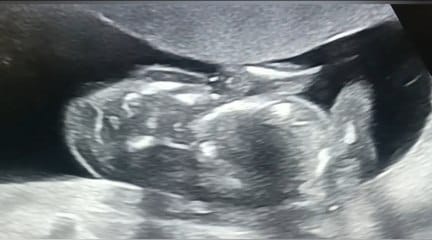
At 13 Weeks: Following her gynecologist’s advice, she returned for her Level-1 scan (also known as the NT/NB or First-Trimester Anomaly scan).
Visually, everything seemed promising at first. The fetus was developing well, showing a strong, steady heartbeat, fully formed limbs, and a normal torso.
The Unexpected Diagnosis:
During the detailed imaging of the Level-1 scan, the experienced radiologist noticed a critical abnormality: the baby’s skull bones had failed to form. This severe congenital condition—known medically as acrania or anencephaly—prevents normal brain development and is sadly fatal. Faced with this heartbreaking reality, the medical team gently counseled the young mother on her options and advised a medical termination of the pregnancy.
Why Early Detection Matters: > Had she skipped the 13-week Level-1 scan, this severe anomaly wouldn’t have been caught until much later in the pregnancy. Detecting it early saved her from the far greater physical risks and prolonged emotional trauma of a late-term complication.
Key Takeaways for Expecting Parents:
Early Scans Do More Than Confirm Heartbeats: While a 6-week scan confirms viability, a 11–13 week Level-1 scan evaluates structural development and screens for major genetic or physical anomalies.
Early Action Protects the Mother: Detecting severe conditions early allows for safer medical interventions, giving parents clear information and time to make informed decisions.
Always Follow Your Gynecologist’s Timeline: Every recommended scan serves a distinct diagnostic purpose—never skip a routine trimester milestone.
Final Thoughts:
Pregnancy is a journey best taken with full awareness and timely medical care. Never miss your scheduled prenatal scans—they are your best tool for ensuring both maternal health and safe fetal development.
Did you find this helpful? Share this post with expecting parents to help spread awareness about the vital role of early prenatal care.